Introduction
In today's hectic work environment, ensuring the safety and well-being of staff members is vital. Amongst the vital aspects of workplace security is the provision of Automated External Defibrillators (AEDs). These lifesaving tools are essential for responding to abrupt cardiac arrests, which can occur in any type of setup, consisting of workplaces. This comprehensive guide will certainly delve into the Workplace AED Demands in Australia, highlighting what every company needs to know about applying and maintaining AEDs.
Workplace AED Requirements in Australia: What Every Employer Requirements to Know
Understanding Local First Aid Courses in Sydney the legal and practical requirements surrounding AEDs is vital for all companies in Australia. The Australian Resuscitation Council stresses that having an AED on-site can considerably raise survival rates throughout heart emergency situations. Companies ought to acquaint themselves with their responsibilities under relevant legislation, including the Job Health and Safety Act 2011.
The Value of Having an AED in Your Workplace
Every second counts when it pertains to a cardiac emergency situation. An AED can be the distinction in between life and death. According to studies, early defibrillation boosts survival prices by up to 70%. This highlights why it's not simply an excellent concept-- it's a necessity.
Understanding Automated External Defibrillator Discussed Australia
An Automated External Defibrillator (AED) is a mobile tool that checks heart rhythm and can send out an electric shock to the heart if required. The device guides individuals through the process with voice triggers and aesthetic instructions, making it functional also for people with no medical training.
How to Use an AED Detailed Australia
Using an AED includes several vital steps:
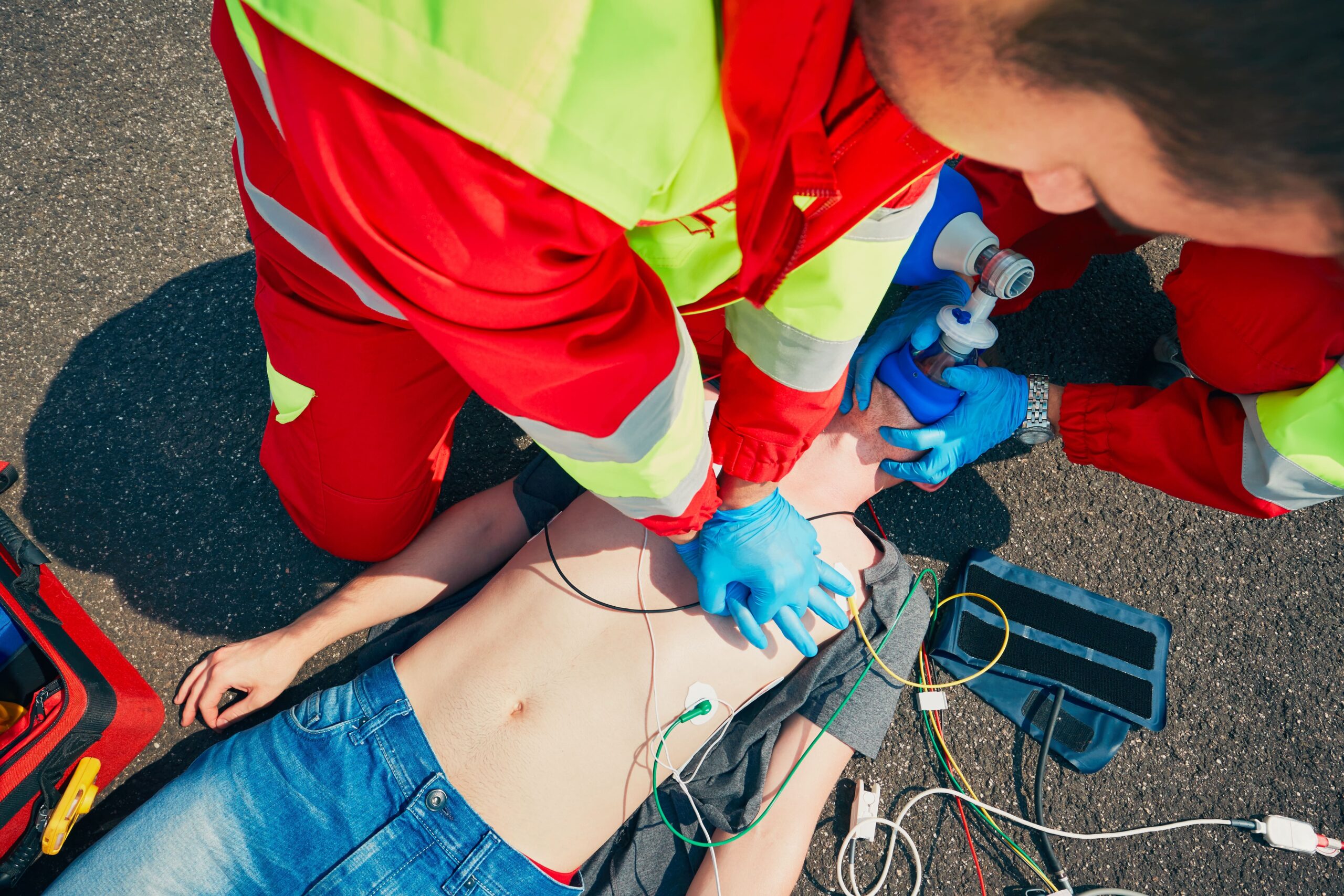
Assess Responsiveness: Check if the individual is responsive. Call for Help: Dial emergency situation services immediately. Retrieve the AED: Obtain the nearest AED. Attach Pads: Comply with layouts on pads for proper placement. Analyze Heart Rhythm: The gadget will certainly examine whether a shock is needed. Deliver Shock if Necessary: Make sure nobody is touching the individual before pushing the shock button. Continue CPR: After providing a shock, continue mouth-to-mouth resuscitation till emergency services arrive.AED and mouth-to-mouth resuscitation Together Australia
Combining mouth-to-mouth resuscitation with an AED boosts survival possibilities substantially. While awaiting a rescue, performing mouth-to-mouth resuscitation maintains blood distributing, increasing oxygen supply to important body organs till defibrillation can occur.
AED Use on Children Australia
When utilizing an AED on youngsters, unique pediatric pads are typically needed. Numerous modern gadgets come geared up with child-specific settings that change energy degrees based on age or weight criteria.
AED Battery Maintenance Australia
Maintaining your AED consists of inspecting battery condition on a regular basis, changing batteries according to maker https://telegra.ph/First-Aid-Courses-Explained-What-to-Anticipate-and-How-to-Choose-09-11 standards, and making certain pads are not ended or damaged.
Workplace AED Needs Australia
Employers have to make certain that:
- A suitable variety of AEDs are available based on workplace size and location. Employees have access to training for using the device. Regular maintenance checks are carried out according to producer recommendations.
Public AED Locations Australia
Many public spaces currently feature obtainable AEDs; recognizing where these locations are can save lives outside of office settings as well. Local councils frequently keep databases of these locations.
Defibrillator Training Programs Australia
Training training courses offer important understanding about using defibrillators effectively along with CPR techniques. Organizations like St John Rescue offer qualifications that equip workers with lifesaving skills.

Defibrillator Regulation Australia
Legislation bordering defibrillators differs by state however normally mandates specific work environments, such as fitness centers or aged care centers, to have AEDs conveniently available for usage throughout emergencies.
Choosing Right AED Australia
Selecting an ideal version depends on aspects such as:

- Intended usage (office vs industrial) User-friendliness Availability of pediatric options
Identifying Potential Catastrophes in Your Workplace
Employers should conduct danger evaluations routinely to identify potential clinical emergency situations distinct to their setting-- this might include examining employee health risks or environmental hazards affecting emergency action protocols.
FAQs
1. What is an Automated Exterior Defibrillator?
An Automated External Defibrillator (AED) is a mobile device developed to deal with people experiencing abrupt heart attack by delivering an electrical shock that aids bring back regular heart rhythm.
2. Are there legal demands for having an AED in my workplace?
Yes, while details legislation may vary by state or area, many regions call for work environments-- especially those considered risky-- to have accessibility to automated outside defibrillators as component of their emergency treatment provisions.
3. Just how usually must I inspect my work environment's AED?
It's recommended to check your work environment's AED a minimum of when a month and after each usage, making certain that batteries are practical and pads are within expiration dates.
4. Can any person use an AED?
Yes! Modern gadgets are designed for laypeople and offer step-by-step audio directions; nonetheless, official training is advised for ideal preparedness throughout emergencies.
5. What is consisted of in defibrillator training courses?
Courses typically cover exactly how to operate an AED securely, do mouth-to-mouth resuscitation properly, recognize indications of cardiac arrest, and respond appropriately throughout medical emergencies.
6. Where can I find public accessibility defibrillators?
Public access defibrillators can be located in various areas such as shopping centers, airports, institutions, sporting locations, and community centers; regional authorities commonly maintain maps revealing these locations.
Conclusion
Ensuring office safety involves greater than simply compliance; it's about cultivating a culture of preparedness among workers worrying wellness emergencies such as cardiac arrests. Applying efficient plans around Automated External Defibrillators (AEDs) not just enhances your duty of care however also reveals commitment toward staff member welfare-- a win-win situation!
In summary, understanding the important parts bordering office AED needs in Australia gears up employers with expertise needed for creating more secure environments conducive to both performance and health among personnel-- because at the end of the day? Everybody should have satisfaction understanding they're made sure of!
First Aid Pro is one of Sydney’s leading providers of accredited CPR and first aid courses. Established in 2012, our nationally registered training organisation (RTO) has equipped over 2.6 million Australians with essential life-saving skills through our experienced team of over 110 expert trainers. Conveniently located in the heart of Sydney at Chambers Arcade Level 15, Suite 1501/370 Pitt Street, Sydney NSW 2000, we offer top-quality, nationally accredited CPR and first aid training sessions tailored to your needs—whether for workplace requirements, career advancement, or personal safety. From childcare-specific first aid to advanced first aid and resuscitation, we’ve got you covered! Secure your Sydney first aid course or CPR training with us and build the confidence to handle emergencies with a trusted Sydney first aid provider. Take the first step towards becoming a skilled and capable first aider with First Aid Pro today! Call today on 08 7120 2570.